▪️The river Sarda (Kali or Kali Ganga) joins it in the plain before it finally meets the Ganga at Chhapra. ▪️The Ghaghara joins the Ganga a few kilometres downstream of Chhapra in Bihar. ▪️The river has a high flood frequency and has shifted its course several times. ▪️Tributaries Koilar rivers, Khanua river, Khekhra Hirna, Jethan, Maun, Duhari, Kanchi ...Read More
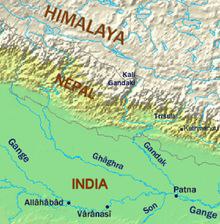
▪️ Its source is near Gurla Mandhata peak, south of Manasarovar in Tibet (river of the trans-Himalayan origin). ▪️It is known as the Karnaili in Western Nepal. ▪️ After collecting the waters of its tributaries – Tila, Seti and Beri, it comes out of the mountain, cutting a deep gorge at Shishapani. ▪️The total length of Ghaghara River up to its confluence with the Ganges at Revelganj in Bihar is 1,080 km. ...Read More
◇ Seperated Legislative and Executive functions of Governor-General's council. ◇ It provided for Addition of Six new members to the Council. ◇ It introduced open Competition for Selection and recruitment of Civil servants. ◇ Extended Company's rule of Indian possession on behalf of British Govt. But did not specify any particular period. ◇ It introduced Local representation in Indian (central) Legislative Council. ◇ Of 6 new member...Read More

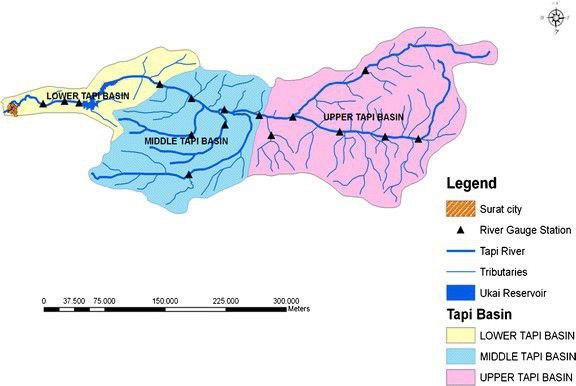
▪️ The Tapti (also known as the Tapi) is the second largest west flowing river of the Peninsular India and is known as ‘the twin’ or ‘the handmaid’ of the Narmada. ▪️ It originates near Multai in Madhya pradesh ▪️ River Tapi flows through three states Madhya Pradesh, Maharashtra and Gujarat ▪️It is a Westward flowing river which drains into Arabian sea near Gulf of Khambhat. ▪️Tributaries ▪️Right Bank: Suki, Gomai,...Read More
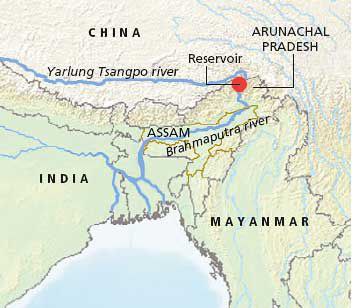
▪️The Brahmaputra (meaning the son of Brahma). ▪️It is 2,900 km in length. ▪️Source: Chemayungdung glacier (Kailas Range) at an elevation of about 5,150 m. It’s source is very close to the sources of Indus and Satluj. ▪️Mariam La separates the source of the Brahmaputra from the Manasarovar Lake. ▪️ In the vast Ganges Delta, it merges with the Padma, the popular name of the river Ganges in Bangladesh, and finally, after merging with Pa...Read More
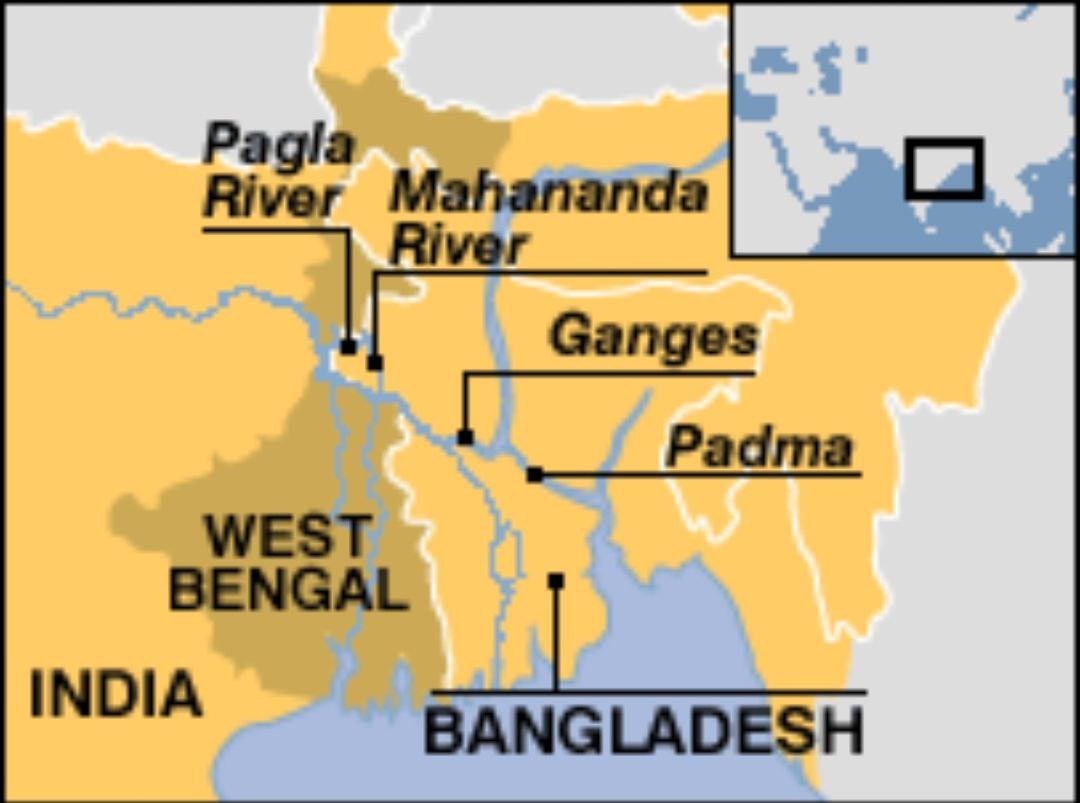
▪️Mahananda River is a trans-boundary river that flows through the Indian states of West Bengal, Bihar and Bangladesh. ▪️ The Mahananda is another important tributary of the Ganga rising in the Darjeeling hills. ▪️ Countries- India, Bangladesh ▪️ States- West Bengal, Bihar ▪️ Mahananda originates in Himalayas: Paglajhora Falls on Mahaldiram Hill near Chimli, east of Kurseong in Darjeeling district at an elevation of 2,100 metres (6,90...Read More
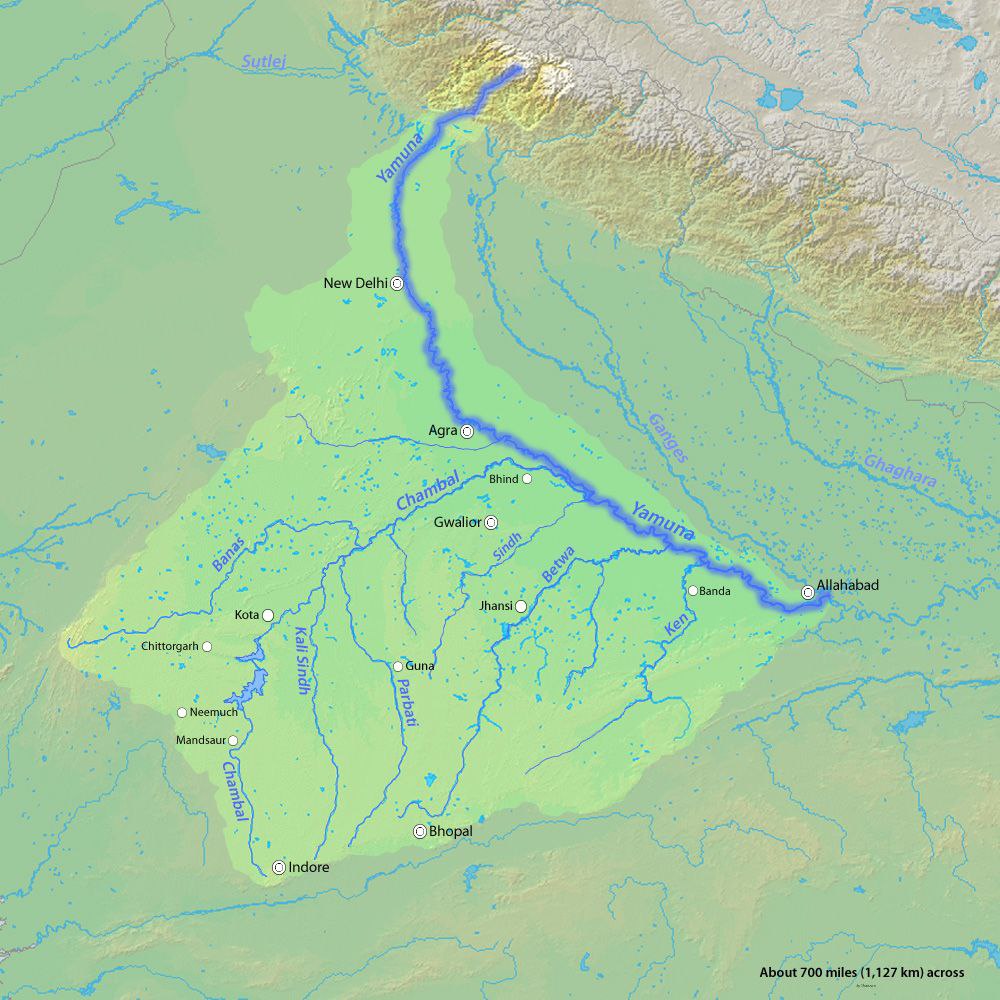
[Not to be confused with Kali sindh River(tributary of chambal) and Sind river (tributary of jhelum)] ▪️ Origin: Malwa Plateau (Vidisha district) ▪️End: In Yamuna River near Jalaun (Uttar Pradesh) ▪️Tributary: Pahuj, Kuwari, and Mahuar. ▪️Dams: Madikheda (Shivpuri). ...Read More
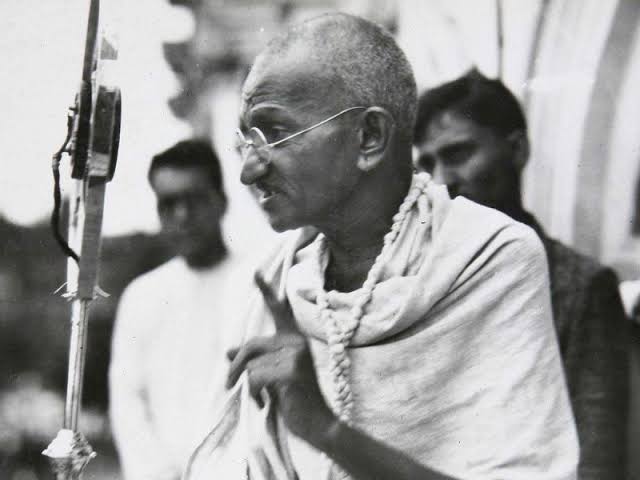
• The Lahore Congress of 1929 had given the mandate to launch civil disobedience movement along with the non-payment of taxes. • Mahatma Gandhi presented his 11 demands to the Viceroy Lord Irwin and gave him the ultimate of January 31, 1932 to acccept his 11 demands. • In Tamil Nadu, C. Rajgopalchari led a march-similar to the Dandi marchfrom Trichinopoly to Vedaranyam. • In Dharsana, in Gujarat, Sarojini Naidu, led non-violent satyagrahis in a march to the sal...Read More
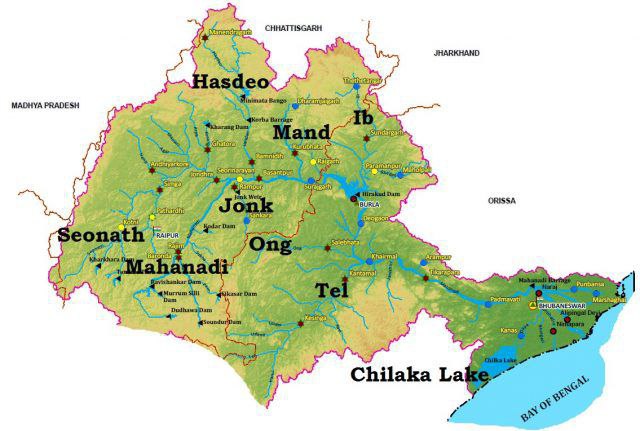
▪️Tributaries : Left - Seonath, mand, Ib, Hasdeo Right - Ong, Parry, jonk, Telen ▪️ The Mahanadi was notorious for its devastating floods for much of recorded history. Thus it was called 'the sorrow of Orissa'. ▪️At Sambalpur the Hirakud Dam (one of the largest dams in India) on the river has formed a man-made lake 35 miles (55 km) long. ▪️Puri, at one of its mouths, is a famous pilgrimage site. ▪️Mahan...Read More
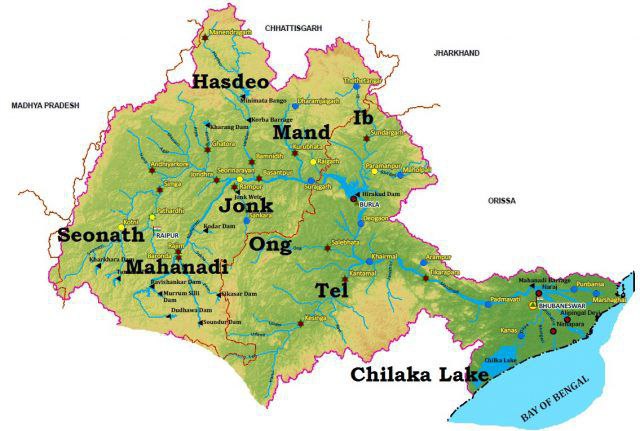
▪️The Mahanadi River system is the third largest of peninsular India and the largest river of Odisha state. ▪️Its basin extends over states of Chhattisgarh and Odisha and comparatively smaller portions of Jharkhand, Maharashtra and Madhya Pradesh ▪️ The river originates from Sihawa in Chattisgarh and Drains near False point in Odisha, Bay of Bengal ...Read More